Fruit Trees

The much loved Cacao 🤎

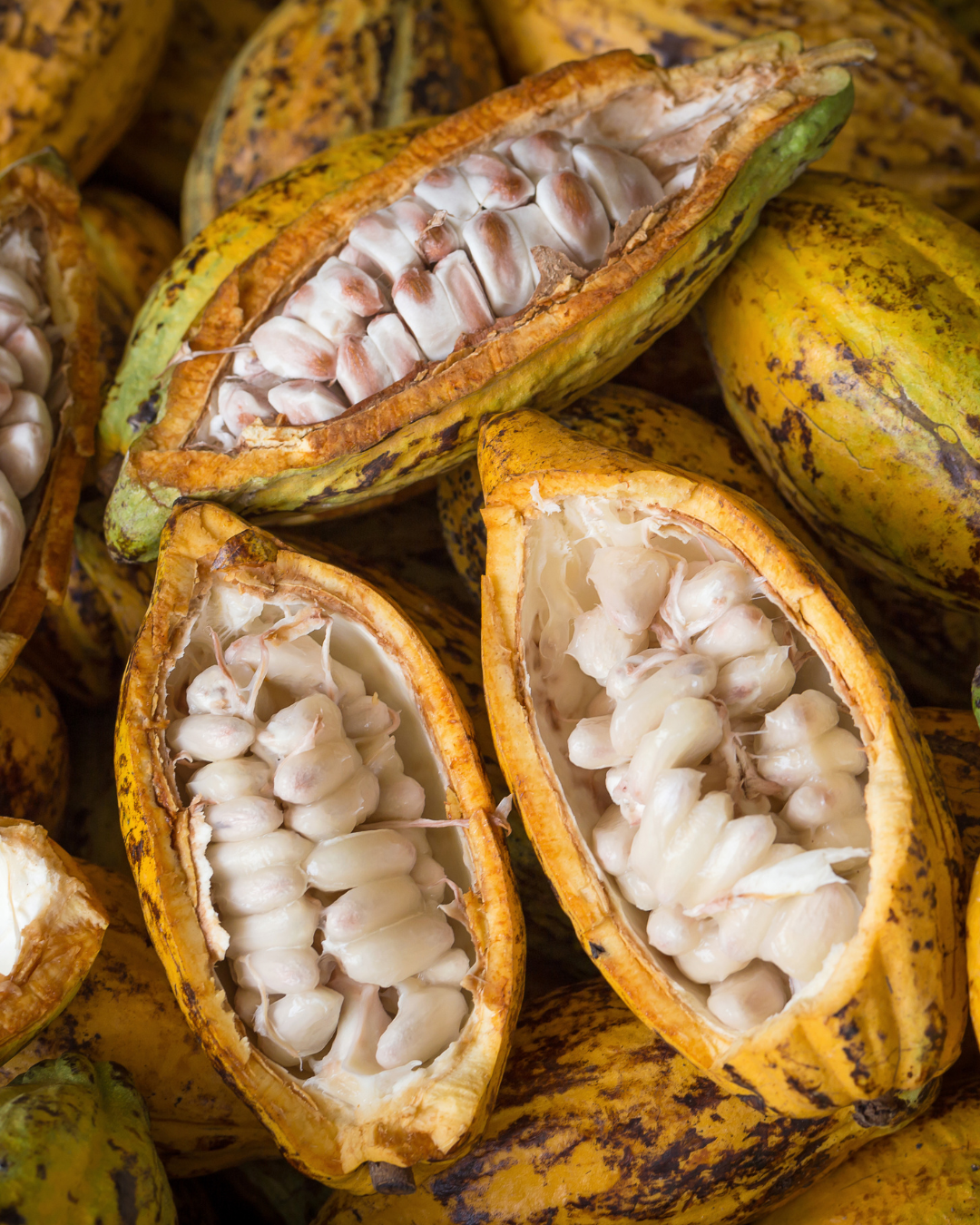
 The cacao is a tropical tree native to the Amazon region of South America. It grows well in tropical Australia. Cacao is the source of chocolate, cocoa and cocoa butter. The fermented seeds are roasted, cracked and ground into a powder. Benefits from hand pollination. #daleysfruit #daleysnursery #cacao #cacaobean




The Choquette Avocado 🥑

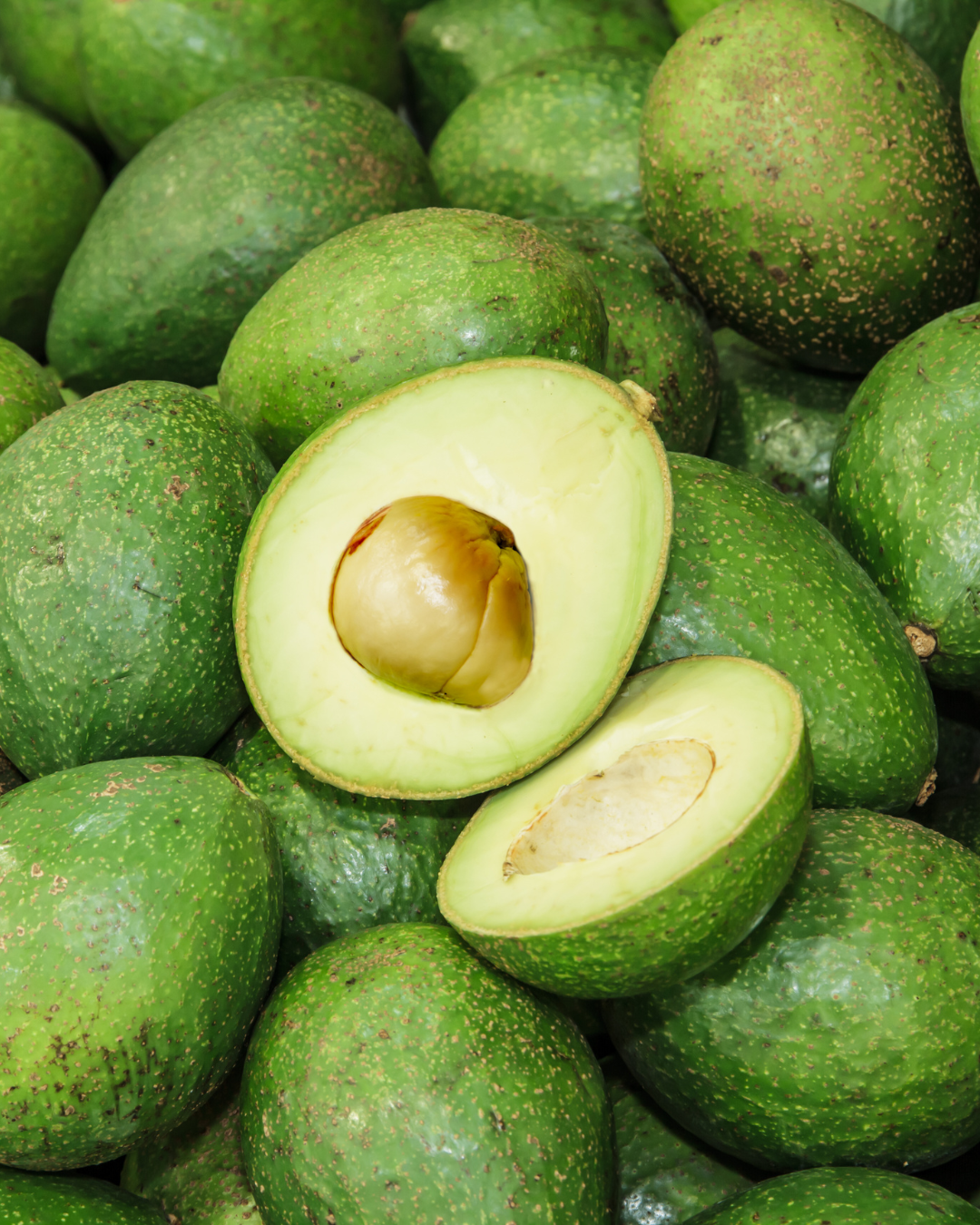
 The Choquette Avocado is a giant fruit weighting over 1kg. Good eating variety with smooth flesh and a creamy, rich flavour. The trees have good disease resistance, and the fruit is a cross between a Guatemalan and a West Indian type avocado. It has smooth green skin when ripe. Perfect for making big bowls of guacamole! #daleysfruit #daleysnursery #avocado #choquetteavocado


Canistel/Egg fruit 💛

 The Canistel fruit is round to oval and matures to a yellow-orange colour, hence its other common name of 'egg fruit' and yellow sapote. The yellow flesh has a sweet earthy flavour and a texture similar to a boiled egg yolk. The fruit is delicious eaten fresh out of hand with a little salt and lemon juice added. Canistels are often added to sweet custards or made into delicious eggnog-like milk shakes by blending with milk. The fruits are very rich, the flesh can be dried and ground into a powder which is then used as a flavouring for sweet desserts #daleysfruit #daleysnursery #canistel #eggfruit


Black Sapote - a chocoholics dream

 Not surprisingly, this is one of our most popular fruits, and if you like Chocolate Pudding you'll love the Black Sapote! Commonly known as Chocolate Pudding Fruit, this amazing fruit is an excellent source of Vitamin C, containing about 4 times as much as an orange.

The fruit is delicious eaten fresh or used as a chocolate substitute in recipes and milkshakes, or simply mix the pulp with yogurt and lemon juice for a refreshing treat. Fruits can be cut in half and eaten covered in passion fruit - in Mexico the pulp is mashed with orange juice or brandy and served with cream. It is also delicious mixed with wine, cinnamon and sugar.
The green fruit is picked when hard and allowed to soften and go brown within 3-6 days. At the ripe stage you should be able to press the skin with your fingers and leave an indent. A very close relative of the persimmon, the black sapote is a Chocoholics dream come true! #daleysfruit #blacksapote #fruitnursery #chocolatepuddingfruit


Yuzu 💛

 Native to China, the Yuzu has been used and cultivated in this region for thousands of years. The fruit is tart, resembling a grapefruit with mandarin overtones. It is rarely eaten as a fresh fruit, but is used to makes sauces, preserves and a popular yuzu vinegar. In Korea, thinly sliced fruits are combined with sugar and honey to make a thick marmalade like syrup. Yuzu kosho is a spicy Japanese sauce made from green or ripe yellow yuzu zest, chillis and salt. The yuzu is more cold tolerant than most other citrus, being able to tolerate to -5 degrees ❄


Native Gardenia 🌼

 An evergreen rainforest tree with attractive glossy foliage and highly perfumed, small, white, tubular flowers. They also produce a large, edible, yellow fruit which turns brown and soft when ripe. The smooth flesh around the seed can be sucked, it is sweet like dates but has a bitter aftertaste. The flesh under the skin is similar with a gritty texture. Ideal in large tubs as a shade tree, or somewhere the delightful scent of the flowers can be enjoyed #daleysfruit #daleysnursery #gardenia #native


The sweet Vanilla Vine 🌿

 The fermented pod of this aromatic climbing orchid are used to flavour cakes, sweets and perfumes. The Vanilla Vine must be hand pollinated. The only insect capable of pollinating the blossom is the Melipona bee. This bee is native only to Mexico, so all Vanilla Vines in Aus must be hand pollinated within 12 hours of the flower opening. The pods take nine month to develop #daleysfruit #daleysnursery #vanilla #vanillavine #backyardgarden


Edible Pandanus

 The Edible Pandanus is widely cultivated for use in Asian cooking and basket making. It has a nutty fragrance and is most commonly used in rice dishes or tied in a bundle and cooked with food. Also useful in flower arrangements. A low growing plant to 1m with long narrow blade-like leaves and woody aerial roots. In tropical climates it can be grown as a marginal plant in dams and ponds, and used as a bedding plant in tropical landscaping. If you live outside of the tropics, it is well worth trying as an indoor plant in winter with a warm, sunny aspect. Allow the plant to dry out over the winter months. #daleysfruit #daleysnursery #pandanus #ediblepandanus


Muscadine Grape

 Muscadines are well adapted to the warm, humid conditions of the south-eastern U.S., therefore will grow well in all humid areas of Australia where European grapes are unsuitable. Both east and west coasts, and through the “top end”, provide the climatic requirements for growing muscadines successfully. It is a vigorous vine and should not be planted where it can escape into native bushland, as it would quickly smother surrounding trees and shrubs. A level of frost sensitivity limits it to regions North of Sydney and Perth.


Muscadines are vigorous, deciduous vines growing 18-30 mts. in the wild. Botanically, they differ in significant ways from other grapes and are placed in a separate sub-genus, Muscadinia. In contrast to most other grapes, muscadines have a tight, non-shedding bark, warty shoots and unbranched tendrils.

The fruit is borne in small, loose clusters of 3-40 grapes, quite unlike the large, tight bunches characteristic of European and American grapes. The round, 25 to 40mm fruits have a thick, flavourful skin and contain up to 5 hard, oblong seeds. In colour the fruits range from greenish bronze through bronze, pinkish red, purple and almost black. Sugar content varies from about 16% to 25% for the sweetest cultivars. The wild fruits and some older cultivars have a musky quality similar to American grapes, although not as pronounced. Modern cultivars have a unique fruity flavour with very little muskiness. The flavour and appearance of the dark coloured muscadine fruits are remarkably similar to the jaboticaba.

As with all grapes, muscadines need full sun with good air circulation.

Annual pruning must be severe to keep new fruiting wood growing. The basic framework of a vine consists of the trunk, permanent arms, and fruiting spurs. Vines must be pruned each dormant season to maintain this framework. Current season shoots bear the fruit, but these shoots must arise from last season's growth, since shoots from older wood are generally sterile. It is important to leave the correct amount of fruiting wood #daleysfruit #daleysnursery #muscadinegrape