Grafted Fruit Trees vs Seedling Fruit Trees
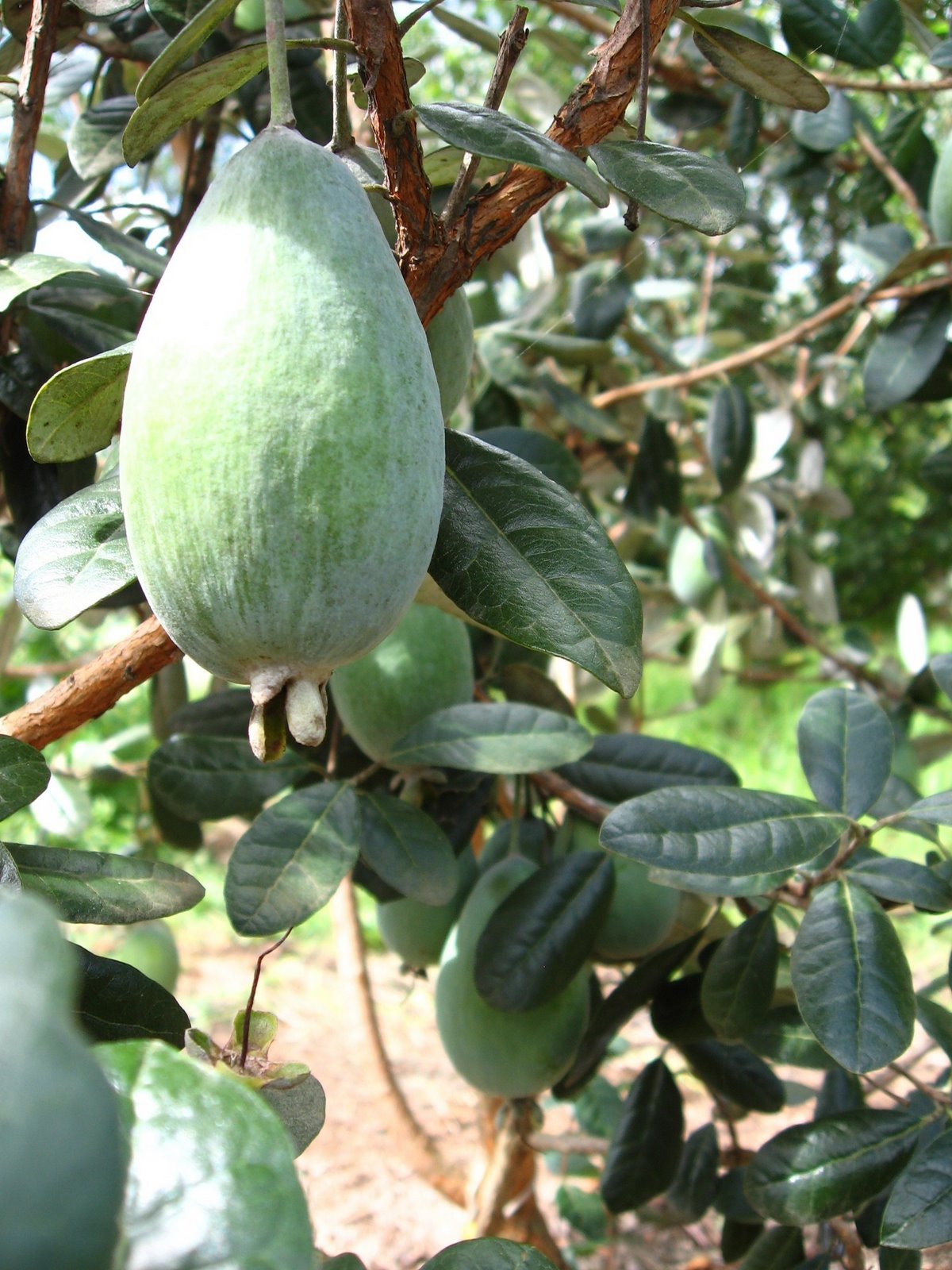
(Video Transcript)So a really common question here at Daleys is what is the difference between a grafted plant and a seedling and I'm just going to show you a couple of examples. So I have here a seedling Feijoa so this plant is grown from seed and there's going to be a lot of variation between each tree so if you had a 100 trees that were each grown from seed the fruit that each tree produces is going to be slightly different so they don't necessarily grow true to type is what we call seedling variation and they're all genetically different so if you wanted to cross pollinate trees 2 seedlings are going to cross pollinate or you can also cross pollinate a seedling tree with a grafted plant such as this. Now if you look at these 2 plants and this one is a grafted tree, this one is a Duffy. You can see that the foliage is slightly different so this is juvenile foliage and this plant goes through a juvenile phase much like people become teenager and then adults. So this goes through a juvenile phase where as this plant already has it's adult foliage. So this is grafted and it's grafted down here and this is basically a miniature mature tree. The fruit that are produced on this grafted variety are going to be true to type so they are going to be exactly the same as the parent tree, you are going to know what you're going to get and it's going to fruit much quicker than this seedling tree. So there are advantages and disadvantages of both the Advantages of a seedling is they tend to be more vigorous and more hardy they also grow slightly larger and the advantage of your grafted plant is that they are true to type and they fruit quicker. There are also different maintenance things so this grafted plant is grafted onto a seedling plant exactly like this and you need to de-sucker anything below the graft so if you look closely here you can see the graft and here's the sucker so this is a seedling sucker and it's really important to maintain your grafted plants by removing all the suckers so that's a really important maintenance to maintain your grafted tree for this seedling is going to be more vigorous and it can actually overgrow your graft it can kill off the graft because it has more energy so it's really important to get your secateurs and cut that sucker off.


.jpg)